
Although dental implants have a success rate of 95–98% when placed by an experienced and skilled dentist like Dr. Cyril Beard, complications can occur. An inflammatory condition that’s similar to periodontitis can cause implant failures without timely intervention.
Most often caused by poor oral hygiene and excessive biting forces, peri-implantitis can lead to gum and bone damage, and ultimately implant failures. As a functional dentist, Dr. Beard uses gentle lasers for many treatments, including treating peri-implantitis in Red Bank, NJ, with LAPIP™ (Laser-Assisted Peri-Implantitis Protocol) to save failing dental implants.
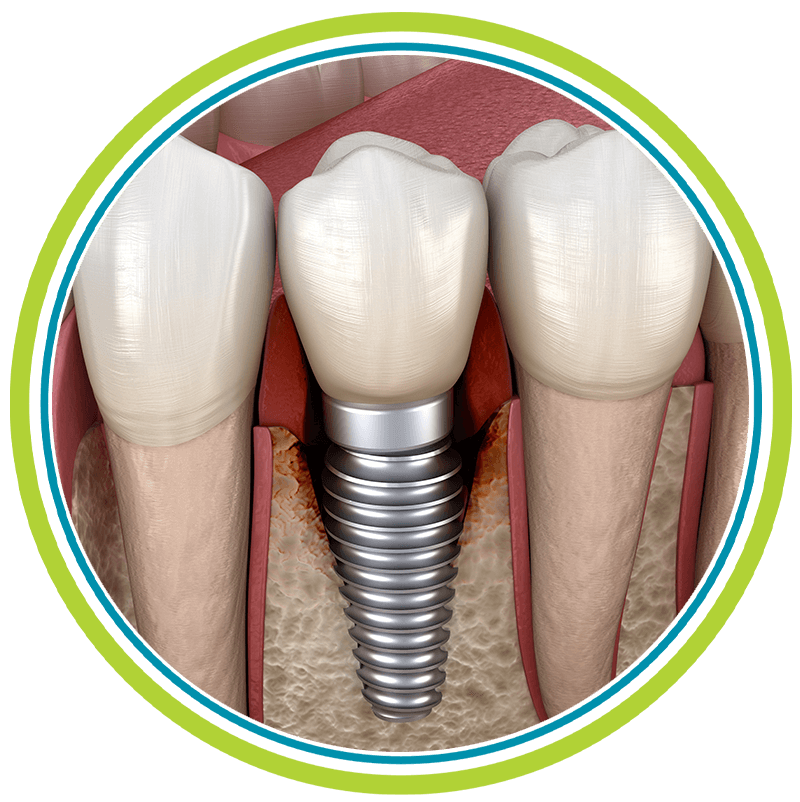
Traditional treatments for peri-implantitis and failing dental implants typically require mechanical cleaning, flap surgery, and bone grafting. Using the same innovative PerioLase® MVP-7™ laser technology as LANAP®, LAPIP in Red Bank, NJ, only vaporizes bacteria and diseased tissue around ailing implants.
LAPIP offers a far less invasive protocol that is highly effective at regenerating the soft and hard tissue supporting implants. Studies indicate that 94% of failing implants treated with the LAPIP protocol reintegrate in the pockets.
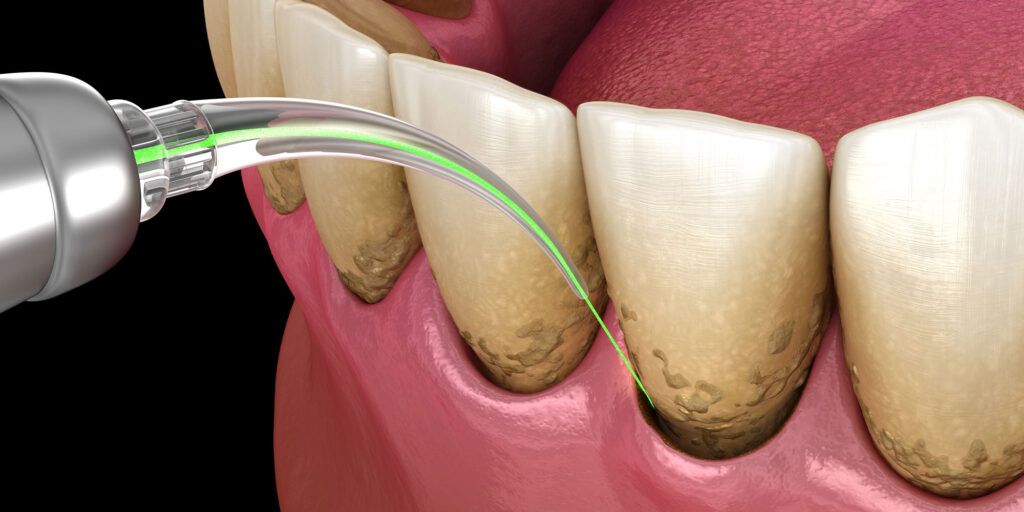
The first step begins with a thorough evaluation of your failing dental implants. This includes probing depths, radiographs, and a clinical assessment to identify inflammation and bone loss. After Dr. Beard confirms that you have peri-implantitis, the PerioLase laser is used to precisely access the infected pocket(s) without the need for incisions or sutures.
During this step, the PerioLase laser selectively removes infected tissue and sterilizes the implant surfaces, eliminating bacteria and biofilm without damaging the titanium post(s).
Dr. Beard may use ultrasonic instruments to further clean and debride the implant surfaces, restoring a biologically compatible environment. The area is conditioned to promote new tissue attachment and bone regeneration around the implant(s).
Following decontamination, the laser is used again at a lower setting to stimulate circulation and activate your body’s natural healing response.
This promotes the regeneration of healthy bone and soft tissue, thereby encouraging reattachment around the implant(s). Over time, inflammation subsides, the pocket depth decreases, and the implants regain stability in your healthier supporting foundation.