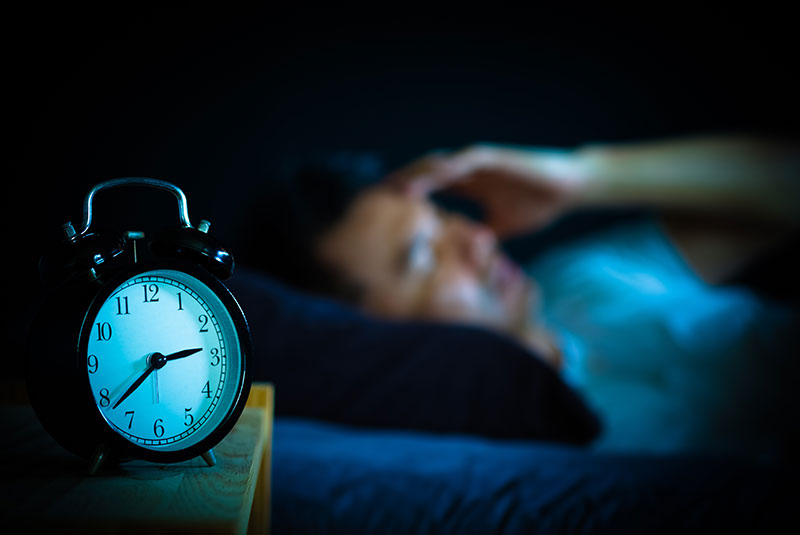
The most common form of this condition, obstructive sleep apnea (OSA), occurs when the airway becomes blocked, disrupting the flow of oxygen through the nose or mouth during sleep. If you suffer from this type of sleep apnea, your throat and mouth muscles relax to such an extent that they collapse into your upper airway, creating a blockage that restricts your breathing.
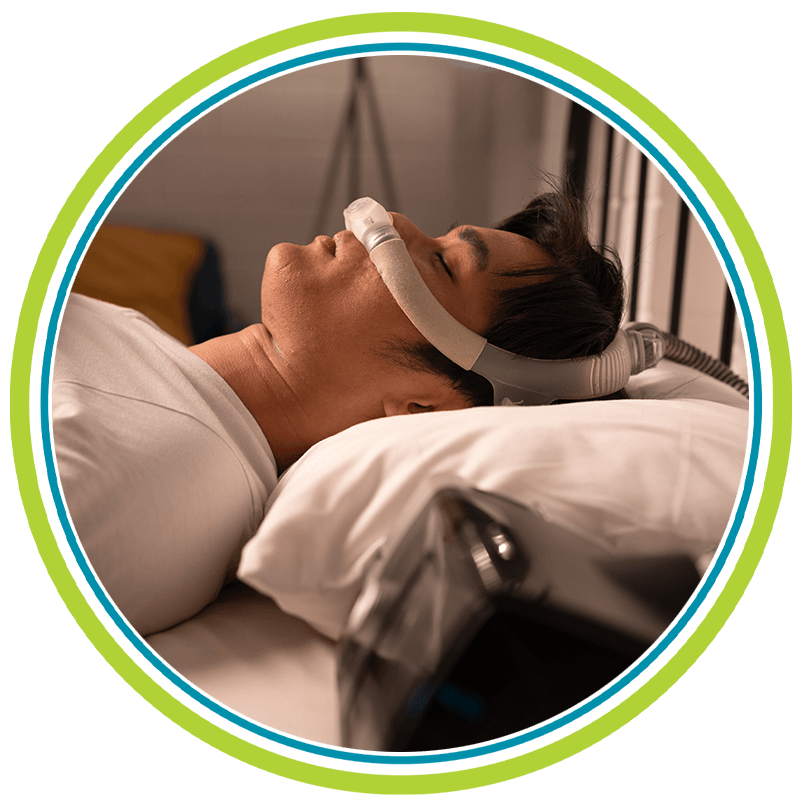
While a sleep apnea doctor will likely recommend a sleep study to accurately diagnose your condition and may suggest a CPAP machine, our functional dentist, Dr. Cyril Beard, can treat mild to moderate sleep apnea in Red Bank, NJ, with less invasive methods that can resolve or greatly reduce episodes.

An oral appliance for sleep apnea is worn at night and customized by Dr. Beard to fit your unique oral anatomy. Similar to mouthguards, a mandibular advancement device is the most commonly used oral appliance for treating OSA.
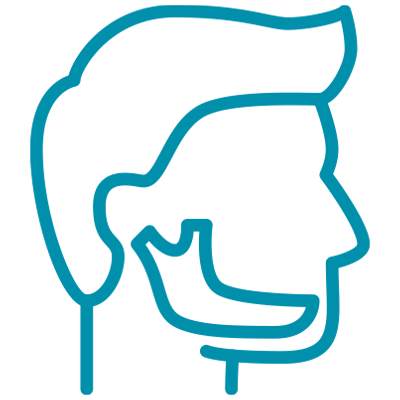
It moves your lower jaw forward, thereby repositioning your tongue away from your airway. This type of sleep apnea treatment in Red Bank, NJ, is far less invasive than a CPAP machine and can improve breathing, while also reducing or eliminating snoring with nightly compliance.
An ill-fitting crown or bridge can cause TMJ dysfunction, but it can also contribute to sleep apnea by causing your jaw to sit in a position that narrows and obstructs your airway. While an occlusal adjustment should be performed immediately after receiving a crown or bridge, poorly fitted dental work can eventually lead to jaw misalignment, affecting your tongue’s position and restricting airflow.
Although a simple occlusal adjustment by itself likely won’t resolve sleep apnea at this point, an occlusal adjustment may be performed before customizing your oral appliance when Dr. Beard identifies this as a contributing factor.
Sleep apnea is a serious and potentially life-threatening disorder involving repeated pauses in breathing while asleep. Without sleep apnea treatment, repeated drops in oxygen levels can strain your cardiovascular system and increase the risk of diabetes, high blood pressure, heart disease, and stroke.
Sleep apnea also negatively impacts brain function, potentially leading to cognitive decline and dementia. This condition can exacerbate or contribute to mental health issues such as depression and anxiety, while daytime fatigue increases the risk of accidents.
© All rights reserved | Privacy Policy